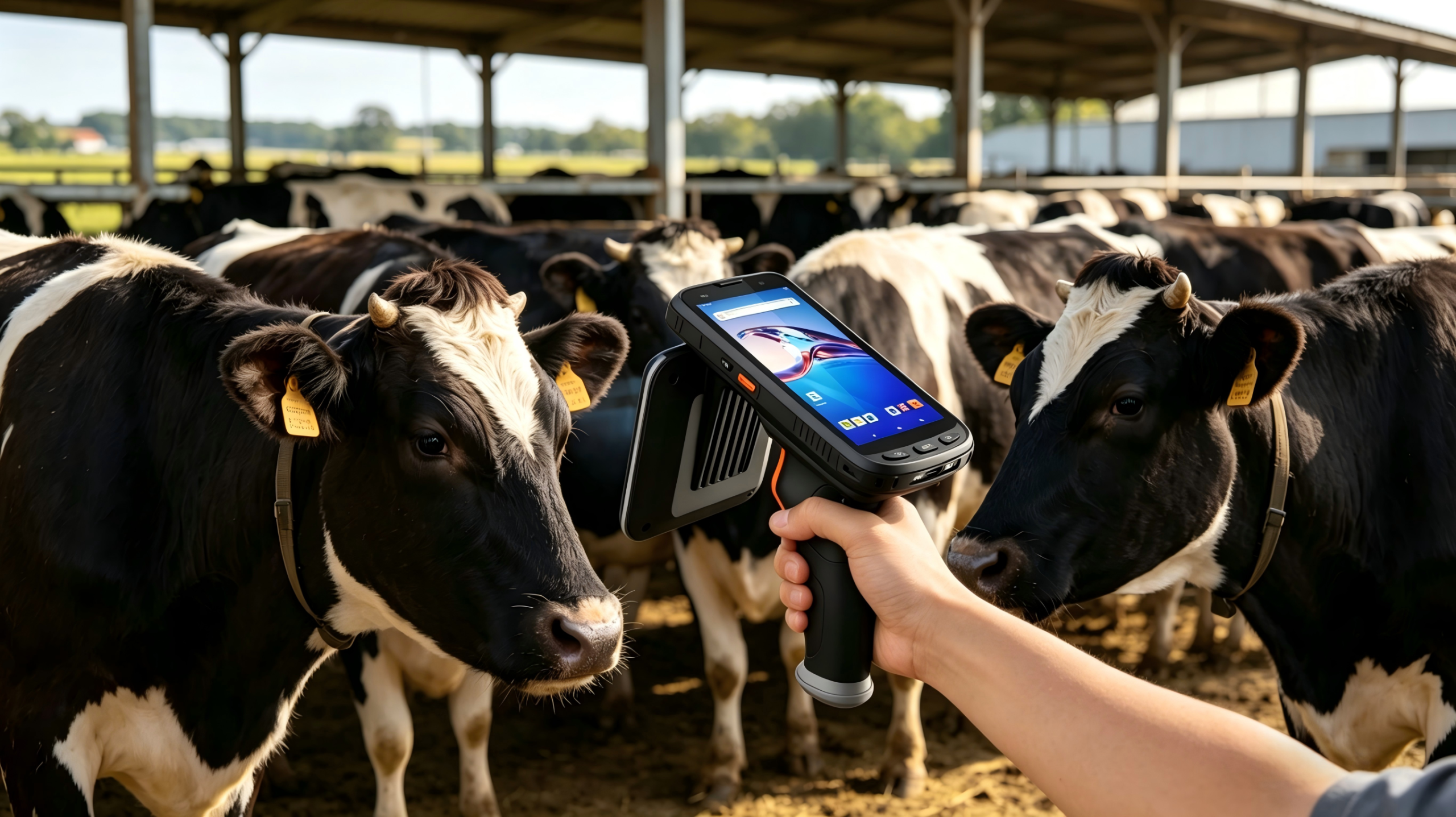
For modern livestock farmers, efficiency, animal health, and traceability are top priorities. One small but powerful technology – RFID (Radio Frequency Identification) – is quietly reshaping the way livestock tracking is done and the way livestock is raised. Whether you manage dozens of sheep or thousands of cattle, RFID can help you achieve more accurate, labor-saving, and smarter animal husbandry.livestock tracking
What Is an RFID Animal Farming System?
RFID uses radio waves to identify specific targets and read/write data. In animal farming, a tiny electronic tag is attached to an ear tag, neck collar, or leg band. Each tag has a unique ID. With a fixed or handheld reader, farmers can access an animal’s complete digital record in seconds.
Although it sounds simple, RFID turns tedious paper records and manual observation into an automated, digital management process.livestock tracking
Four Key Ways RFID Is Transforming Animal Farminglivestock trackinglivestock tracking
1. Accurate Identification – No More Confusion
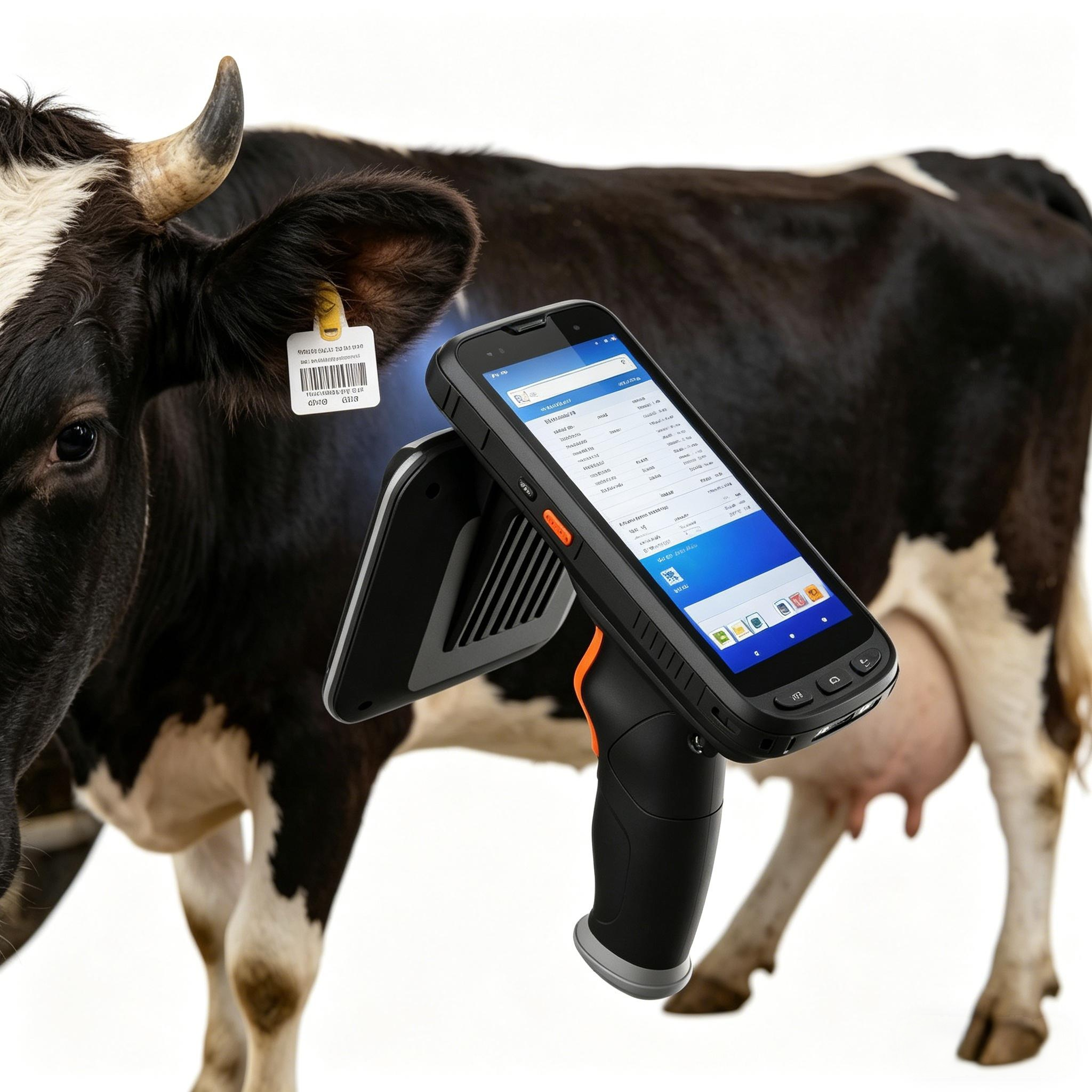
On large farms, animals look similar. Relying on visual inspection or traditional numbered ear tags is slow and error-prone. RFID ear tags give every animal a “digital ID card.” One scan reveals age, breed, vaccination history, weight changes, and more. No matter the herd size, each animal can be individually tracked.
2. Health Monitoring & Disease Prevention
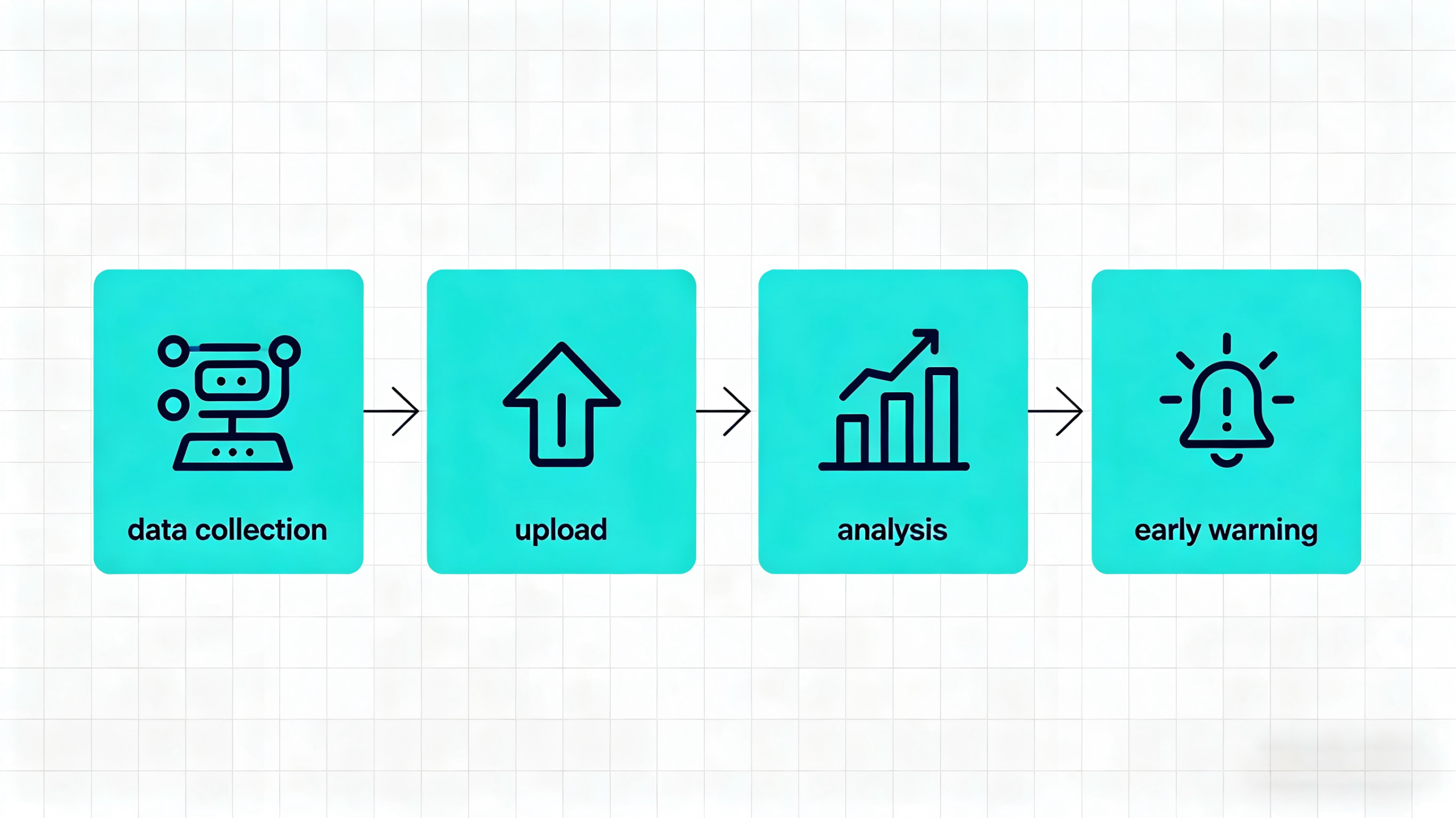
Disease spread is one of the biggest risks in animal farming. RFID systems record each animal’s medication history, vaccination dates, and illness records. If an animal shows signs of sickness, the farmer can quickly pull up past data to help the veterinarian make a faster diagnosis. In more advanced setups, RFID integrates with automatic scales and temperature sensors – if an animal eats less or loses weight for several days, the system sends an early warning. This means early detection, early isolation, and early treatment.livestock tracking
3. Automated Feeding – Lower Cost, Higher Efficiency
Connecting RFID with automatic feeding stations is one of the most cost-effective applications. The system delivers the exact daily ration based on each animal’s life stage (lactating, growing, pregnant, etc.), preventing fighting over feed or overfeeding. For dairy cows, when an RFID‑tagged cow enters the milking parlor, the system identifies her and releases a precise amount of concentrate feed matching her milk yield. The entire process requires no manual labor, saving feed costs and improving animal welfare.
livestock tracking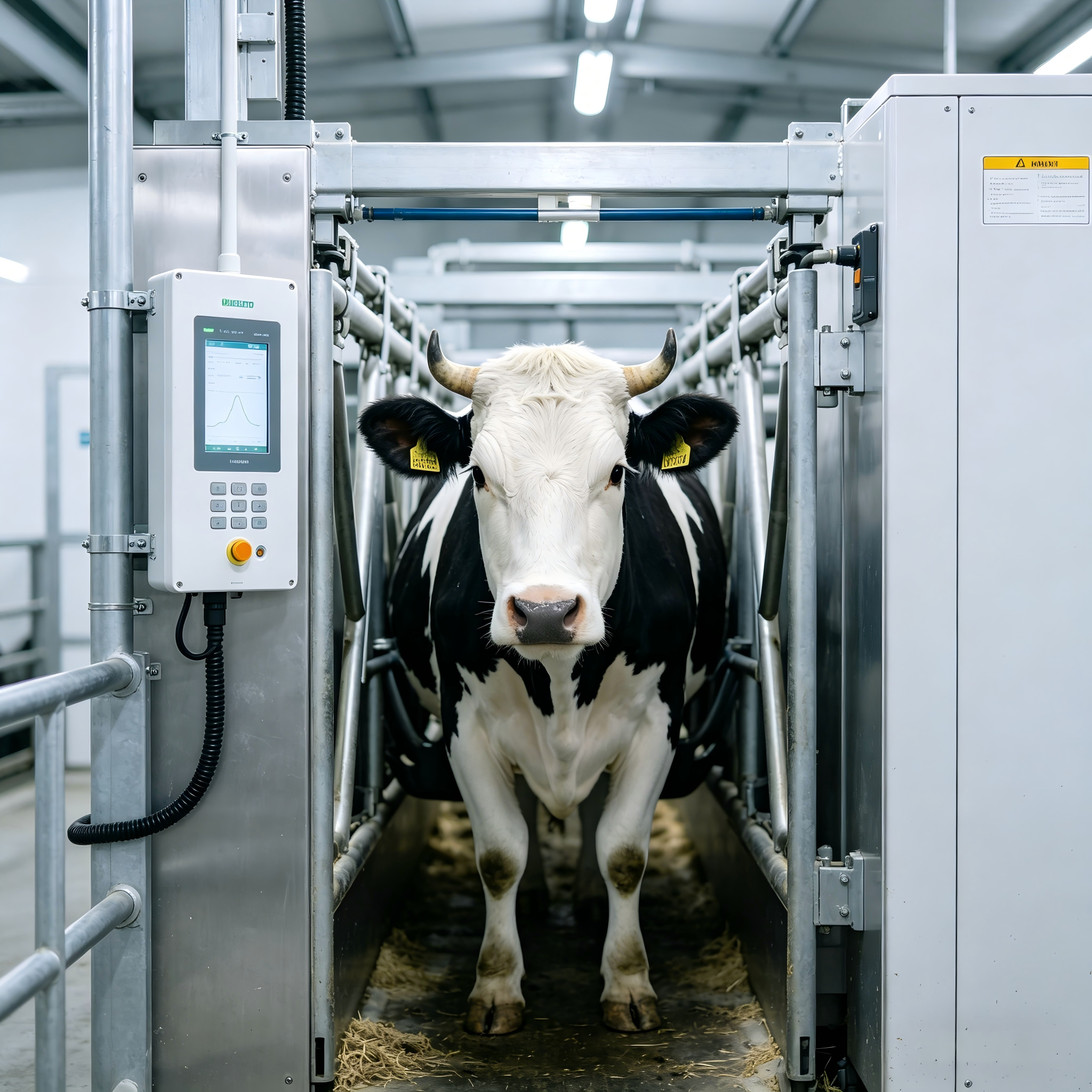
4. Full Traceability – Building Consumer Trust
Today’s consumers care more and more about where their food comes from. Data recorded by RFID can follow an animal from the pasture all the way to slaughter, processing, and logistics. If a food safety issue arises, companies can trace back to the specific batch or even the individual animal within minutes, enabling precise recalls. This transparency not only meets legal requirements but also becomes a powerful branding tool – letting consumers know that the meat, milk, and eggs on their table come from a responsible, smart farm.livestock tracking
Real-World Example: RFID on a Dairy Farm
A 1,000‑cow dairy farm in Inner Mongolia introduced an RFID management system. From birth, every cow had a digital file. Daily feed intake, steps walked, milking time, and milk yield were automatically recorded. By analyzing the data, the farm increased average milk yield per cow by 12%, detected illnesses 2.3 days earlier, and saved about 800 labor hours per year. The farm manager said, “Now I can see the status of every cow on my computer – this is what modern farming looks like.”livestock tracking
What to Keep in Mind When Implementing an RFID System of Livestock tracking
While RFID offers clear benefits, successful implementation requires attention to a few points:
-
Choose the right tag frequency – Low frequency (LF, e.g. 134.2 kHz) and high frequency (HF, e.g. 13.56 MHz) work well for short-range reading. Ultra‑high frequency (UHF) offers longer read range but can be affected by the animal’s body (water content). LF ear tags are most common and reliable for livestock.
-
Durability in harsh environments – Tags must be waterproof, dustproof, resistant to extreme temperatures, and able to withstand biting or scratching. Always choose tags that have been field‑tested on farms.
-
Backend software – Hardware is just the foundation. A good farm management software is what really matters. Make sure the system supports data export, reporting, and integration with other smart devices (automatic scales, sorting gates, etc.).
-
Initial investment – The cost per RFID ear tag ranges from a few dollars to tens of dollars, plus readers and software. For small and medium farms, the upfront cost can be a hurdle. However, long‑term savings in feed, labor, and reduced disease losses usually pay back the investment within 1‑2 years.livestock tracking
Future Trends: RFID + IoT + Artificial Intelligence
RFID is not an isolated technology. When combined with sensors (body temperature, activity), 5G, and AI analytics, it creates a true “smart ranch.” For example, by analyzing long‑term feeding and activity data for each animal, the system can predict the best breeding time or warn of an infectious disease outbreak days in advance. These innovations are moving from labs to real farms, making animal farming more sustainable and more profitable.livestock tracking
Conclusion
RFID in animal farming has gone from a “luxury” to a “standard” for modern livestock operations. It offers not only convenience but also significant improvements in animal health, food safety, and farm profitability. If you’re thinking about upgrading your farm’s digital capabilities, start with a small RFID ear tag – it might be the best investment you make this year.
Do you have hands‑on experience or questions about RFID in animal farming? Leave a comment below. We offer complete smart farming solutions – from hardware to software. [Click here] to request a demo.
About the author : Qerwin